
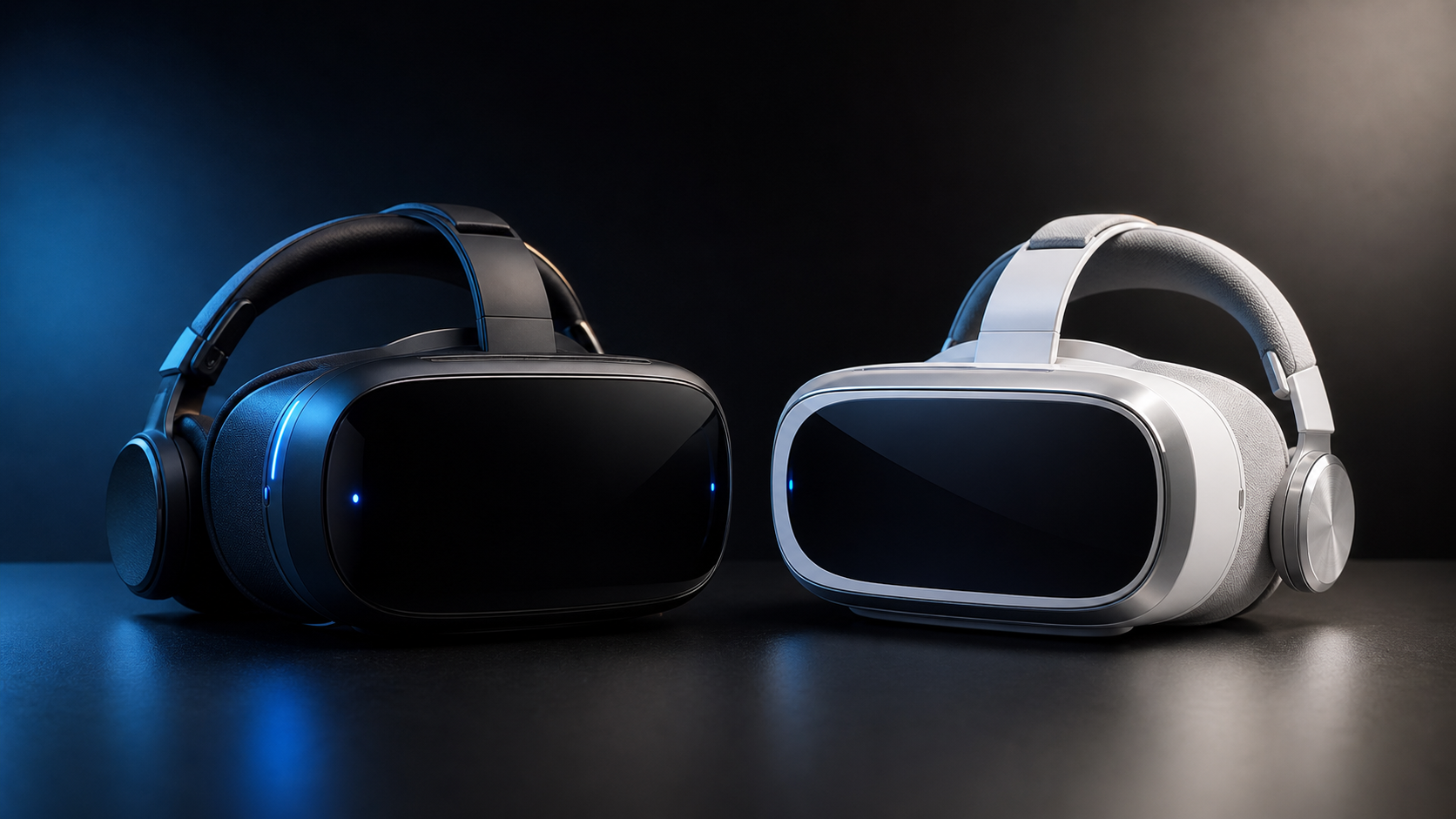
Meta Quest 4 Vs Apple Vision Pro 2026: Complete Guide
Table of Contents
Affiliate disclosure: Some links in this article are affiliate links. If you make a purchase or sign up through these links, we may earn a commission at no additional cost to you.
Meta Quest 4 Vs Apple Vision Pro 2026: Complete Guide
The virtual and augmented reality landscape in 2026 has solidified into two distinct camps: Meta’s value-driven, gaming-focused ecosystem and Apple’s premium spatial computing platform. For consumers standing at the crossroads of this technology, the decision often comes down to a simple but stark calculation: is the immersive experience worth a significant price gap? As we move deeper into the decade, the distinction between virtual reality and mixed reality has blurred, yet the hardware choices remain polarized. Buyers are no longer just choosing a headset; they are choosing an ecosystem, a workflow, and a digital lifestyle that will define their interaction with the metaverse for years to come.
This comprehensive guide breaks down every meaningful difference between Meta’s current Quest hardware, the rumored Meta Quest 4, and the updated Apple Vision Pro (now powered by the M5 chip). Whether you are a gamer looking for the next Beat Saber experience or a professional seeking a portable multi-monitor setup, we provide a category-by-category verdict to help you decide. Understanding the nuances of display technology, processing power, and ecosystem lock-in is essential before making such a significant investment in your digital future. Below, we analyze the market reality of mid-2026 to help you navigate these high-tech choices.
What Are You Actually Comparing in 2026?
Before diving into specifications, it is crucial to clarify the timeline and product availability. As of July 2026, the Meta Quest 4 has not been officially released or confirmed by Meta. Leaked prototypes codenamed “Pismo” were reportedly cancelled, and credible industry sources, including The Gadgeteer, place a consumer-ready Quest 4 no earlier than late 2027 or 2028. This creates a unique comparison scenario where buyers are weighing current availability against future promises. The market is currently defined by the Meta Quest 3 generation versus the established Apple Vision Pro.
Therefore, this comparison operates on two levels to give you the most accurate advice:
- Available Now: A direct comparison between the Meta Quest 3 / Quest 3S and the current Apple Vision Pro (M5, $3,699).
- The Horizon View: An analysis of what Quest 4 rumors suggest versus the trajectory of the Apple Vision Pro 2 (both likely arriving in the 2027-2028 window).
Both perspectives are vital. If you need a headset today, the Quest 3 is your primary contender against Apple. If you are planning for the future, understanding the rumored specs of the Quest 4 helps determine if waiting is a viable strategy. Additionally, users must consider the controller ecosystem. Meta continues to support optional touch controllers for tactile gaming feedback, whereas Apple relies almost exclusively on hand and eye tracking, which changes the interaction model fundamentally. This divergence defines the user experience more than raw processing power.
Is the Meta Quest 4 Worth Waiting For?
The anticipation surrounding the Meta Quest 4 is driven by rumors of a significant hardware leap. Analyst speculation suggests a starting price around $799, a notable increase from the Quest 3’s $499 launch price. This projected price hike reflects Meta’s reported strategic shift away from subsidizing hardware for market share growth toward sustainable unit economics. For budget-conscious consumers, this potential price increase is a critical factor to weigh against the performance gains. The era of heavily subsidized VR hardware may be ending.
It is important to treat the $799 figure as analyst inference rather than confirmed data. However, if and when the Quest 4 launches, it is expected to include substantial upgrades designed to compete with Apple’s visual fidelity:
- Processor: Qualcomm Snapdragon XR3 Gen 2 chip for improved AI processing and thermal management.
- Display: A move to OLED display panels, finally closing the contrast and black-level gap with the Vision Pro.
- Tracking: Eye tracking included as a standard feature, enabling foveated rendering for better performance and battery life.
- AI Integration: Expanded Meta AI integration for real-time translation and advanced object recognition within mixed reality.
- Form Factor: Potential for a sub-200g headset weight via an external compute puck, addressing comfort concerns during long sessions.
For the average consumer, waiting until late 2027 for unconfirmed hardware is a significant trade-off. The current Quest 3 remains a powerhouse, but the Quest 4 promises to be the first true “premium” contender from Meta. Users who prioritize high-fidelity mixed reality passthrough may find the wait worthwhile, but gamers satisfied with current LCD performance might prefer immediate access to the extensive library available today. The opportunity cost of waiting two years for marginal gains must be considered carefully against your current needs.
How Does the Apple Vision Pro (M5) Perform in 2026?
While Meta focuses on gaming volume, Apple has doubled down on spatial computing utility. Apple has not announced a Vision Pro 2, with reports from Bloomberg indicating a pause on next-generation headset over
Related reading: Best Investment Apps for Beginners No Fees 2026: Top 7 Revealed

Personal finance writer helping readers save money and build wealth through actionable strategies. Covers budgeting, investing, frugal living, and financial independence topics.
Get the newsgalaxy digest
Honest reviews and no-hype guides — straight to your inbox. No spam, unsubscribe anytime.
Some links in our articles are affiliate links. See our full Affiliate Disclosure for details.