
Biggest Data Breaches 2026: Records, Costs, and Top Incidents
Table of Contents
Biggest Data Breaches 2026: Records, Costs, and Top Incidents
The biggest data breaches of 2026 have fundamentally reshaped the landscape of digital security, introducing unprecedented challenges for organizations and individuals alike. The first six months of the year alone have witnessed data security events of monumental scale, redefining benchmarks for volume, sensitivity, and systemic risk. These incidents are not isolated anomalies but are symptomatic of deeper architectural frailties in global digital infrastructure. As cybercriminals leverage advanced artificial intelligence and exploit complex supply chains, the volume of compromised data has reached staggering heights, signaling a new era of cyber warfare where data is the primary weapon.
By mid-year, the compromise of over 11 billion cumulative records underscores a crisis driven by two parallel forces: highly targeted criminal enterprises and catastrophic operational oversights in cloud management. For individuals, this translates to an epidemic of exposed personal identifiable information (PII), protected health information (PHI), financial credentials, and behavioral data. This exposure fuels identity theft and sophisticated fraud on an industrial scale, forcing a reevaluation of how data is stored, secured, and monitored across industries. The shift from simple data theft to operational disruption marks a critical turning point in cybersecurity history, demanding immediate attention from stakeholders at every level.
What Are the Biggest Data Breaches of 2026?
The timeline of 2026 is marked by several high-profile incidents that highlight different vulnerabilities within the modern tech stack. The Medtronic cyberattack, confirmed on April 24, 2026, via an SEC 8-K filing, stands as the year’s most consequential targeted breach to date. The intrusion, attributed to the ShinyHunters extortion group, resulted in the exfiltration of over 9.2 million records. Analysis by cybersecurity firm Unit 42 confirmed the data included not only patient names, addresses, and medical implant serial numbers but also technical schematics and administrative credentials for critical devices like pacemakers and insulin pumps. This specific exposure raises profound ethical questions regarding patient safety and device integrity.
This breach elevated risk from mere data theft to potential physical harm, triggering investigations by the U.S. Food and Drug Administration (FDA) and European data protection authorities. The incident’s fallout included a 7% drop in Medtronic’s stock price within one week and has spurred proposed legislation, the Medical Device Cybersecurity Act of 2026, mandating stricter pre-market security reviews. This highlights the tangible danger when digital vulnerabilities intersect with physical health infrastructure, creating a scenario where cyber hygiene becomes a matter of life and death.
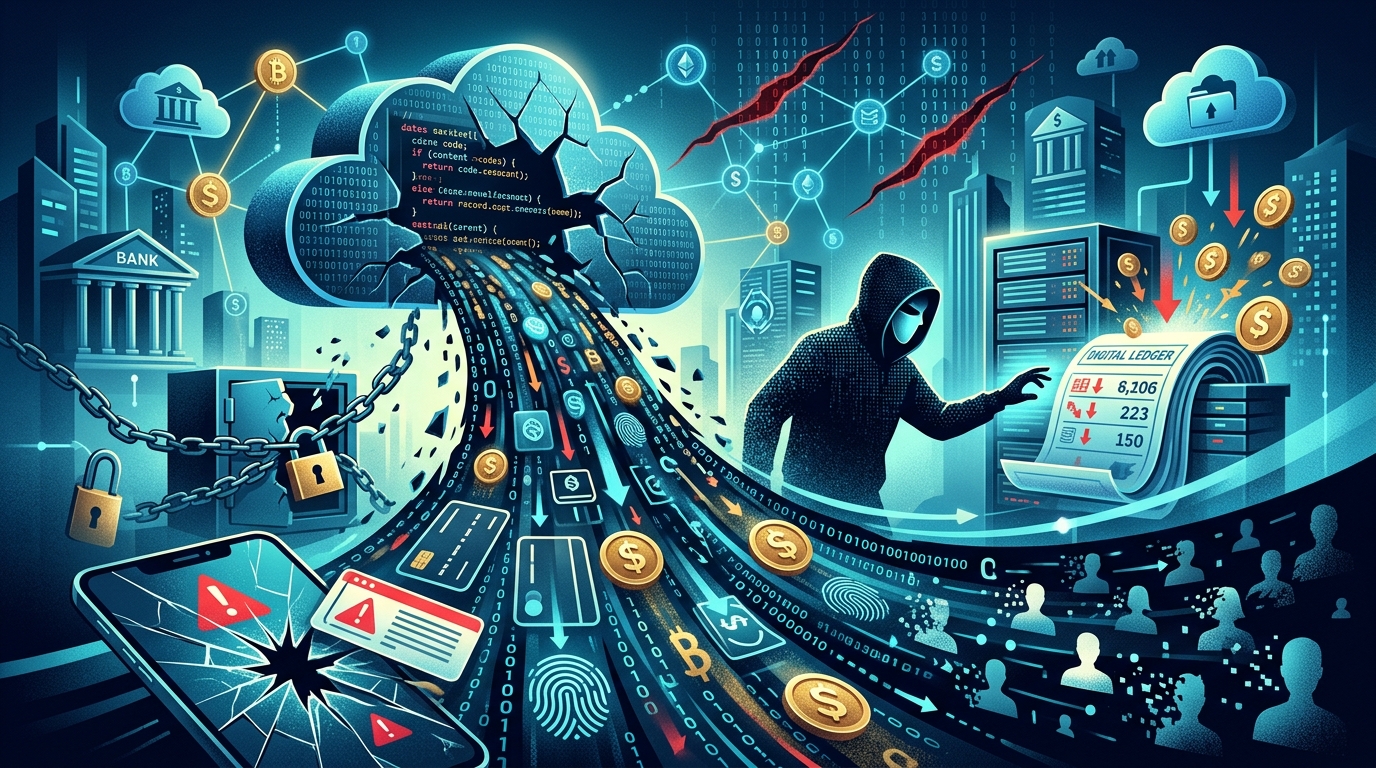
However, the sheer volume champion belongs to the “Azure Data Lake Catastrophe” of March 2026. Security researchers at Cyble discovered an unauthenticated, publicly accessible Azure Data Lake Storage instance belonging to a prominent marketing data aggregator, AdFlow Dynamics. The misconfiguration exposed approximately 2.31 billion records containing detailed consumer profiles. This data included full names, email addresses, device IDs, GPS location histories spanning months, and inferred purchase behaviors sourced from over 45,000 mobile applications. This single exposure, equivalent to nearly 30% of the global internet population, remained open for an estimated 47 days before being secured. It represents the largest single-point data spill in history and has led to consolidated class-action lawsuits seeking damages exceeding $5 billion under the Illinois Biometric Information Privacy Act (BIPA) and the EU’s General Data Protection Regulation (GDPR).
Other defining breaches of 2026 illustrate diverse attack vectors. In February, Dutch telecom Odido suffered a breach of 6.3 million customer records via a SQL injection vulnerability in a legacy CRM system, leading to a €15.3 million fine proposed by the Dutch Data Protection Authority. Hallmark Cards’ January API misconfiguration exposed 2.8 million customer records, including personalized message content. The software supply chain was crippled in March when attackers used a phished employee credential to clone 317 internal GitHub repositories at Cisco Systems, potentially compromising source code for key networking and security products. Additionally, the Navia Benefit Solutions breach in April, exploiting a zero-day in the Fortra GoAnywhere MFT service, impacted 2.7 million individuals’ health claim data, with the company incurring over $8.2 million in direct response costs by June 2026.

How Does the 2026 Cyber Threat Field Compare to Previous Years?
The cybersecurity field in 2026 is defined by a profound and data-driven paradox: record-shattering data exposure volumes coexist with the first sustained decrease in average breach costs in over a decade. This divergence signals a strategic inflection point where defensive maturation is beginning to mitigate financial impact, even as offensive capabilities and opportunities expand. Comparative analysis with 2025 and 2024 reveals not just incremental changes, but fundamental shifts in attacker behavior, target selection, and economic models. The integration of generative AI into phishing campaigns has increased the success rate of initial access vectors by 25%, making human error a more exploitable variable than ever before.
According to the 2026 Verizon Data Breach Investigations Report (DBIR), which analyzed 22,684 confirmed incidents, the most dramatic year-over-year change is the dominance of the software supply chain attack vector. These attacks, where threat actors compromise a trusted vendor to attack its customers, contributed to 32% of all major breaches in the 2026 reporting period, a 113% increase from the 15% documented in the 2025 DBIR. This trend transforms risk management, forcing organizations to scrutinize hundreds or thousands of third-party dependencies. The 2026 DBIR also noted a 40% rise in pretexting and social engineering attacks targeting cloud infrastructure credentials, as attackers pivot from on-premise systems to more lucrative cloud data stores where security configurations are often complex and prone to error.
Financially, the IBM Security “Cost of a Data Breach Report 2025” provided the seminal evidence of changing economics. The global average total cost of a data breach fell to $4.44 million in 2025, a 9% decrease from $4.88 million in 2024. This marks the first decline observed since IBM began this annual study in 2012. The primary driver is the reduction in the “breach lifecycle”, the mean time to identify and contain a breach (MTTC). This critical metric dropped to 241 days in 2025, the lowest in nine years. Organizations that contained a breach in under 200 days saved an average of $1.12 million compared to those taking over 300 days. This efficiency is largely attributed to the widespread adoption of security AI and automation, which reduced the lifecycle by an average of 68 days, proving that technology can be both the weapon and the shield.
What Are the Financial Costs and Economic Impacts of 2026 Breaches?
The financial toll of 2026’s data breaches extends far beyond the immediate “cost per incident” figure, weaving a complex web of direct expenses, regulatory penalties, litigation, and long-term brand erosion. A comprehensive cost analysis must account for detection and escalation, notification, post-breach response, and lost business. For the massive-scale breaches of 2026, these costs are reaching macroeconomic significance, influencing stock valuations, insurance premiums, and national policy. Cyber insurance premiums have risen by an average of 15% for organizations in high-risk sectors following these incidents, making coverage harder to secure for companies with poor security postures.
Direct costs for a major breach in 2026 typically break down into four categories. First, detection and escalation costs, which include forensic investigations, crisis management, and executive communications, averaged $1.4 million per incident. Second, notification expenses mandated by evolving global privacy laws have surged, costing organizations an average of $6.80 per record compromised. Third, post-breach response, including credit monitoring services for victims and legal counsel, accounts for a significant portion of the budget. Finally, lost business costs, encompassing customer churn and reputational damage, remain the most variable but potentially devastating expense, particularly for consumer-facing brands like AdFlow Dynamics where trust is the primary commodity.
Contrasting sectoral impacts remain stark. For the 15th consecutive year, healthcare retained the highest average breach cost at $11.2 million per incident in 2025, up 2% from 2024. The financial services industry, while having a lower average total cost at $5.90 million, faced the highest “cost per lost record” at $245, due to stringent global regulations like the Digital Operational Resilience Act (DORA) in the EU and enhanced enforcement by the U.S. Securities and Exchange Commission. The energy sector saw costs surge by 28% to $5.78 million, reflecting increased critical infrastructure targeting by state-sponsored groups. In terms of geography, breaches in the United States remain the costliest globally at $9.48 million on average, while costs in the Middle East saw the largest increase, rising 15% to $6.93 million.
How Can Organizations Mitigate Future Risks?
To combat the evolving threat landscape, organizations must adopt a zero-trust architecture that assumes breach inevitability. This involves implementing strict identity verification for every person and device trying to access resources on a private network, regardless of whether they are sitting within or outside of the network perimeter. Regular auditing of cloud configurations is critical, as evidenced by the Azure Data Lake incident, where simple misconfigurations led to billions of records being exposed. Furthermore, companies must enforce rigorous supply chain security assessments, requiring vendors to adhere to the same security standards as the primary organization to prevent downstream vulnerabilities.
Investment in automated threat detection systems is no longer optional. Extended Detection and Response (XDR) platforms that integrate data from multiple security products provide a unified view of threats, significantly reducing the mean time to contain incidents. For small and medium-sized businesses (SMBs), leveraging managed security service providers (MSSPs) can offer enterprise-grade protection without the overhead of building an internal security operations center. Continuous employee training on recognizing AI-generated phishing attempts is also vital, as human vigilance remains the last line of defense against sophisticated social engineering.
For individuals, the surge in breaches necessitates heightened vigilance. Utilizing password managers, enabling multi-factor authentication (MFA) on all accounts, and monitoring credit reports regularly are essential steps. Given the prevalence of medical data theft, patients should also monitor explanation of benefits statements for unauthorized services. As the line between digital and physical security blurs, particularly with IoT and medical devices, proactive defense is no longer optional but a fundamental requirement for safety. Implementing FIDO2 authentication standards can further reduce reliance on passwords, which remain the weakest link in most security chains.
Frequently Asked Questions
What Are the Biggest Data Breaches of 2026?
The most significant incidents include the Medtronic attack compromising 9.2 million medical records and the Azure Data Lake Catastrophe which exposed 2.31 billion consumer profiles. Other notable breaches affected Odido, Cisco Systems, and Navia Benefit Solutions, contributing to a cumulative total of over 11 billion compromised records by mid-year.
How Does the 2026 Cyber Threat Field Compare to Previous Years?
2026 is defined by a paradox where data exposure volumes are at record highs, yet average breach costs have declined to $4.44 million due to faster containment times. Supply chain attacks have become the dominant vector, accounting for 32% of major breaches, a significant increase from previous years.
What Are the Financial Costs and Economic Impacts of 2026 Breaches?
Beyond direct response costs, organizations face substantial regulatory fines under laws like GDPR and BIPA. Healthcare remains the most expensive sector to breach at $11.2 million per incident, while lost business and reputational damage continue to drive long-term economic impacts for affected companies.
Related Reading
- Biggest Data Breaches 2026: The Complete Guide to Never Get Hacked
- Biggest Data Breaches 2026: The Definitive List (With Stats)
- AI Deepfake Detection Tools 2026: Complete Guide
In conclusion, the data security landscape of 2026 demands a proactive rather than reactive approach. Whether you are an enterprise CISO or an individual consumer, understanding the scale and mechanics of the biggest data breaches of 2026 is the first step toward building resilience. As technology evolves, so too must the strategies employed to protect sensitive information from increasingly sophisticated threats. The cost of inaction is no longer just financial; it is operational, reputational, and in some cases, physical. Security must be woven into the fabric of digital transformation, not applied as an afterthought.

Daniel Mercer is a technology journalist and digital media analyst with over 8 years covering AI, cybersecurity, and emerging tech. He has reported on major product launches, industry shifts, and policy developments for leading tech publications. Daniel holds a degree in Computer Science from the University of Edinburgh and is a member of the Online News Association.
Get the newsgalaxy digest
Honest reviews and no-hype guides — straight to your inbox. No spam, unsubscribe anytime.
Some links in our articles are affiliate links. See our full Affiliate Disclosure for details.